What happens between a geothermal deal and the first electricity
Quaise’s agreement with Google sets a destination. The wells still have work to prove.

2 min read
A company can have a customer for electricity before it has a plant producing it. That is the stage to keep in mind when reading about Quaise Energy’s new agreement with Google. The announcement describes a purchase planned for the future, with engineering steps still ahead.
TechCrunch’s Tim De Chant examined superhot geothermal development on November 20. Quaise’s own announcement says Google has agreed to buy 50 megawatts from Project Obsidian in Central Oregon, with supply beginning as early as 2030.
A customer and a working well answer different questions
The agreement gives the project a named buyer and a target amount of power. For anyone following its progress, the next useful question is what the wells can show. A contract describes the intended transaction; results from the site help establish whether the project can deliver it.
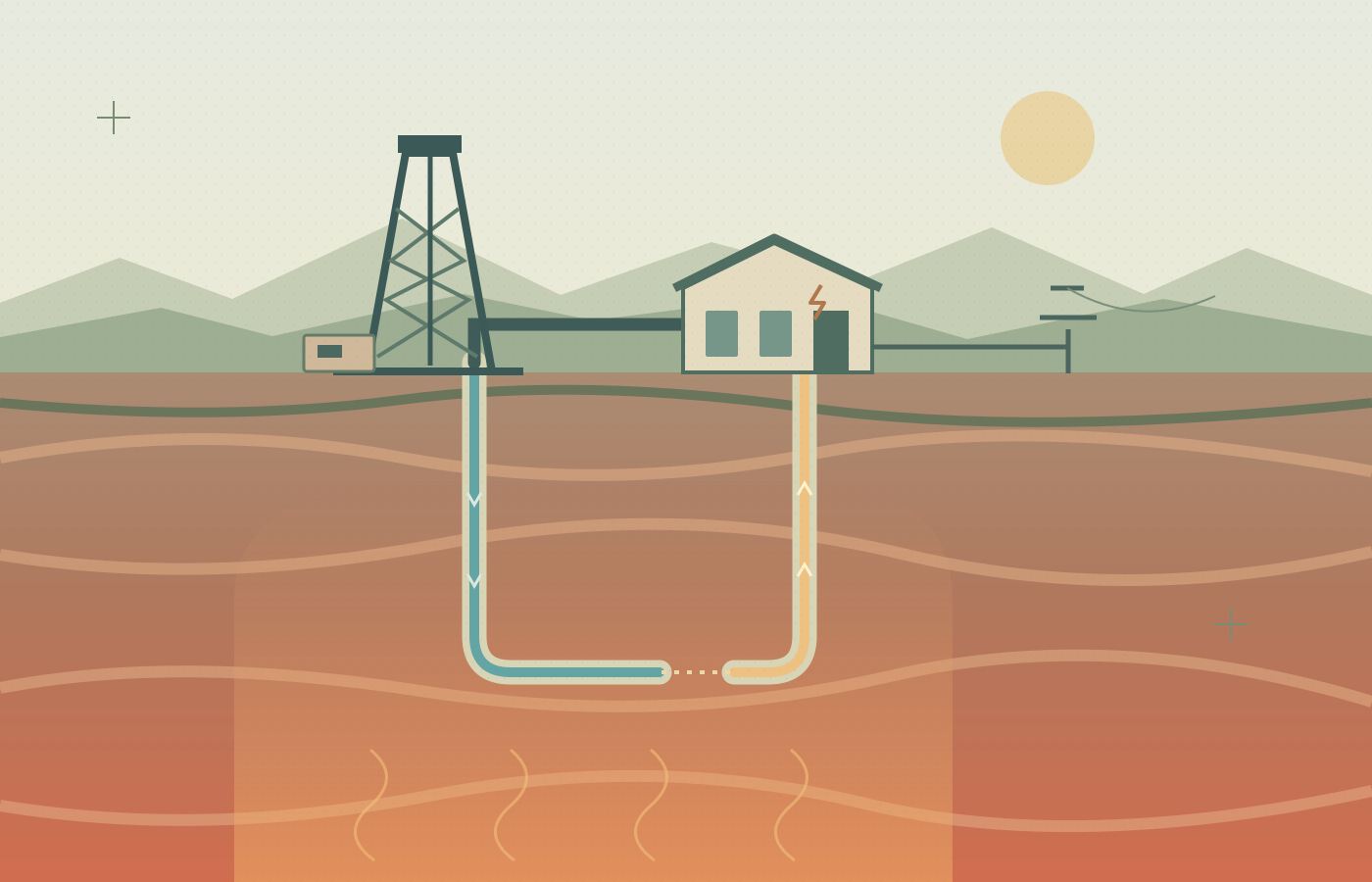
In an October 26 field update, Quaise described a resource-confirmation well intended to check the geology, test equipment at high temperatures and monitor later wells. It then outlined plans for injection and production wells, followed by a flow test to assess electricity-production potential. Those were planned steps in that update, rather than reported results from an operating power plant.
That distinction makes a progress report easier to read. Ask what was measured, for how long and under what conditions. A successful equipment test may settle an important engineering question while leaving the performance of the whole system open.
Watch which phase a technology belongs to
Quaise says the initial development phase will use conventional drilling. It places its millimeter-wave drilling technology in a second phase. The commercial project and the newer drilling method therefore have separate milestones to follow.
This is a useful way to assess future announcements: look for the result that changes what is known about the project. Did a well confirm the expected resource? Did a flow test meet its goal? Has electricity actually been produced and delivered? Answering one of those questions moves the story forward without requiring a single test to stand for the entire plant.