An installment plan remains part of the card bill
A fixed schedule describes one purchase. The fees, duration and wider account still need their own explanation.

3 min read
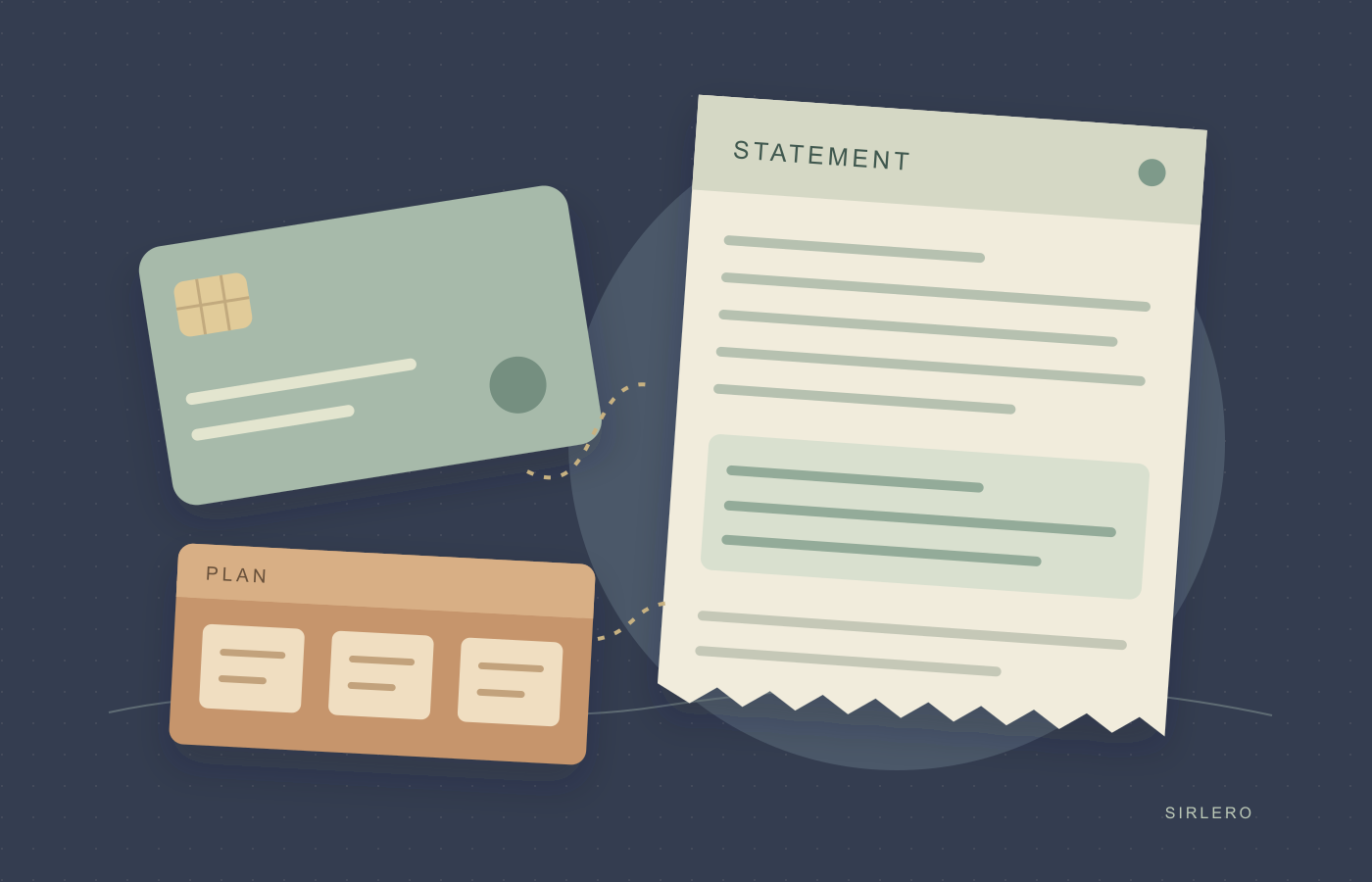
A purchase price and a monthly payment describe different views of the same transaction. An installment offer makes the second view prominent by giving a purchase a repayment schedule. Understanding it also means following the cost across that schedule and seeing where it appears in the account.
CNBC Select’s October 30 feature examines installment programs offered within credit-card accounts. The article provides a starting point for reading how a purchase-level plan connects to a wider bill. The named issuers’ U.S. documentation makes those connections more specific.
Follow the fee through the schedule
Chase’s U.S. after-purchase FAQ says its eligible Pay Over Time purchases can be repaid in equal monthly payments, with a fixed monthly fee instead of interest on that purchase once it enters a plan. Its explanation says the plan payment, including principal and fee, is added to the card’s minimum payment due.
That description distinguishes the original purchase from the cost of paying for it over time. A monthly figure explains one part of the arrangement. Understanding the entire schedule requires keeping the number of payments and the charges attached to them visible together.
Identify what the rate describes
The Consumer Financial Protection Bureau explains that a credit card’s interest rate is the price of borrowing, typically expressed as an annual percentage rate, or APR. That gives an annual-rate quotation a specific meaning. A fee described as a monthly amount is a different presentation of cost; its description needs to be read in its own terms.
Two hypothetical offers for the same purchase could have different repayment periods. A smaller monthly amount alone would not identify the lower total cost. A complete comparison needs the length of each schedule and its charges, with both offers described over the entire period they cover.
Connect the plan to the statement
American Express’s U.S. Plan It FAQ says the plan choices presented during setup show monthly payments, including fees, upfront. It also says the monthly plan payment is included in the minimum payment due, with the first appearing on the next billing statement after plan creation. These details describe that program’s billing process.
The distinction is between an amount attached to a particular plan and the figures describing the account around it. Seeing a purchase split into installments does not make the rest of the statement disappear. Reading both levels keeps the plan’s role within the bill understandable.
For Sirlero, the useful outcome is a clear account of what changes when a purchase enters installments. The schedule, the price of that schedule and the statement are connected pieces of information. Keeping them together makes the product easier to explain without treating a prominent monthly amount as its complete description.