A lower home price and a lower first payment solve different problems
Seller incentives can change the purchase price, the cash needed at closing or payments during an initial mortgage period. Those effects deserve separate attention.

3 min read
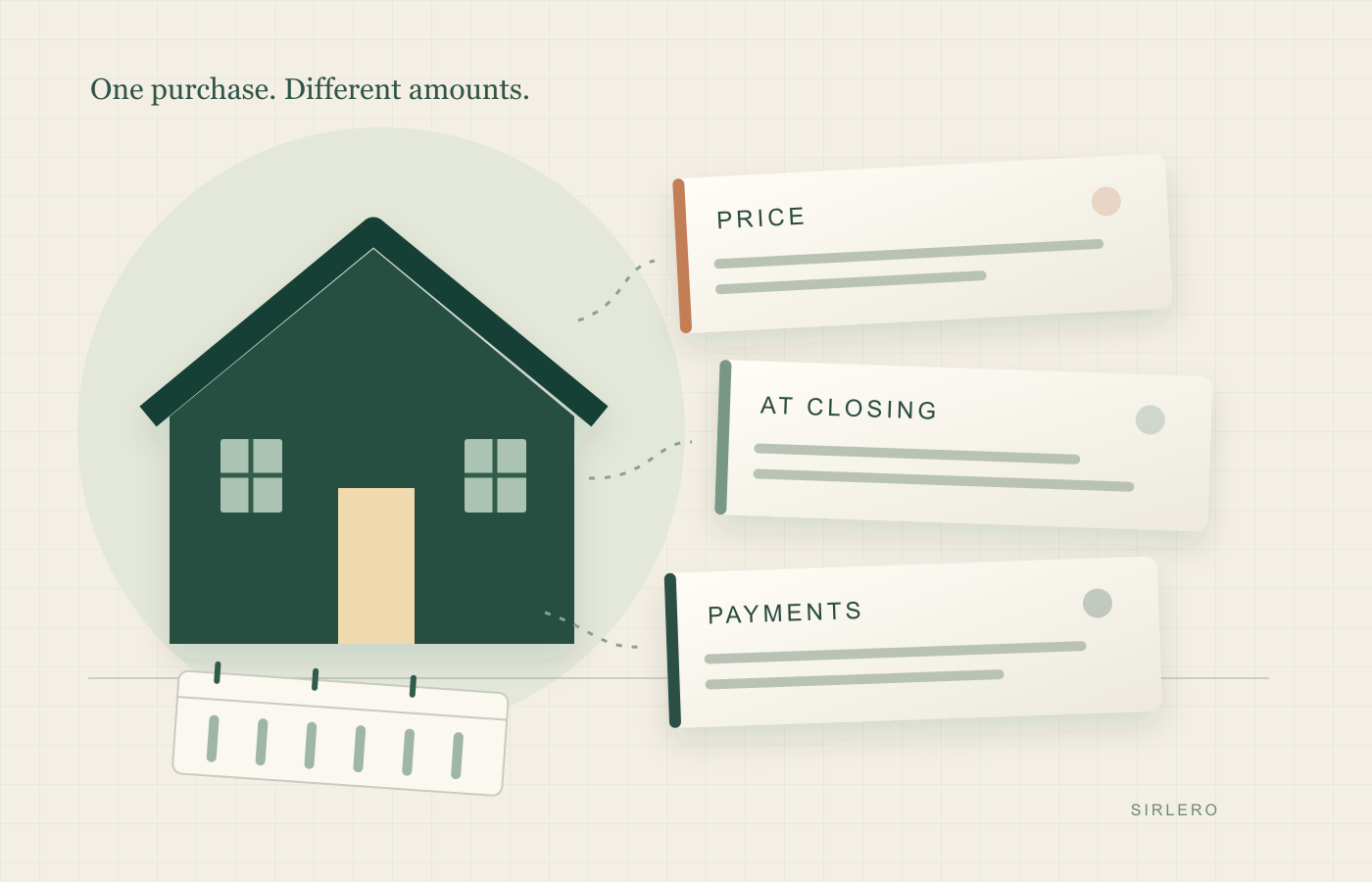
A home offer described as cheaper can be making several different claims. It might reduce the agreed purchase price, require less cash at closing or lower the borrower’s initial payments. The word cheaper is a starting point for understanding an offer, rather than a complete description of it.
CNBC Select’s October 28 feature on buying in a buyer’s market discusses price negotiations, seller contributions to closing costs and temporary mortgage buydowns. These possibilities raise a useful question beyond the market conditions in the article: where, and when, would the proposed benefit appear?
Separate the transaction from the payment
The Consumer Financial Protection Bureau’s Loan Estimate explainer separates the loan amount, closing costs, cash needed to close and monthly payments. For a home purchase, it explains the relationship between the loan amount, down payment and sale price. These figures describe related parts of the transaction, but they are not interchangeable.
Consider a hypothetical comparison between two offers for the same property. One changes the price; another keeps the price but offers help with a specified expense. Calling both a discount conceals the difference in what each proposal changes. An explanation becomes clearer when it names the amount affected and the conditions attached.
Follow a closing credit through the deal
In its guidance on closing fees, the CFPB explains that a seller may pay some transaction costs, depending on the contract or state law. It also cautions that a seller credit can come with a higher home price. A credit therefore does not, by itself, establish that the overall purchase has become less expensive.
The analytical distinction is between who supplies cash at one stage and how the whole arrangement is priced. A contribution could address an immediate cash requirement while another term changes elsewhere. Understanding that relationship requires the complete proposal; the incentive’s label alone does not reveal the exchange.
Put temporary help on a calendar
Fannie Mae’s rules for mortgages it purchases or securitizes provide a concrete example of a temporary buydown. They require a written agreement and preserve the mortgage note’s terms. The lender must qualify the borrower using the note rate, without treating the bought-down rate as the qualifying rate. These are requirements within Fannie Mae’s framework, rather than a description of every loan program.
The distinction matters when a prominent figure describes an early period. An initial payment and a later payment belong on the same timeline. A temporary subsidy can be understood by asking which period it covers and what the underlying obligation remains.
Keep the comparison complete
The CFPB’s explainer also distinguishes principal and interest from a total monthly payment that can include mortgage insurance and escrow. Taxes, insurance and assessments outside escrow are separate amounts to consider. A comparison built around one payment component can leave other ownership costs out of view.
For Sirlero, the useful reading method is to give each figure both a name and a time horizon. Purchase price, cash at closing and payments over time answer different questions. Keeping those questions visible makes an offer easier to understand before judging what its headline number means.