A hotel reservation includes more than the room
Booking routes can affect who handles changes and which benefits apply. The comparison includes the terms attached to a stay.

3 min read
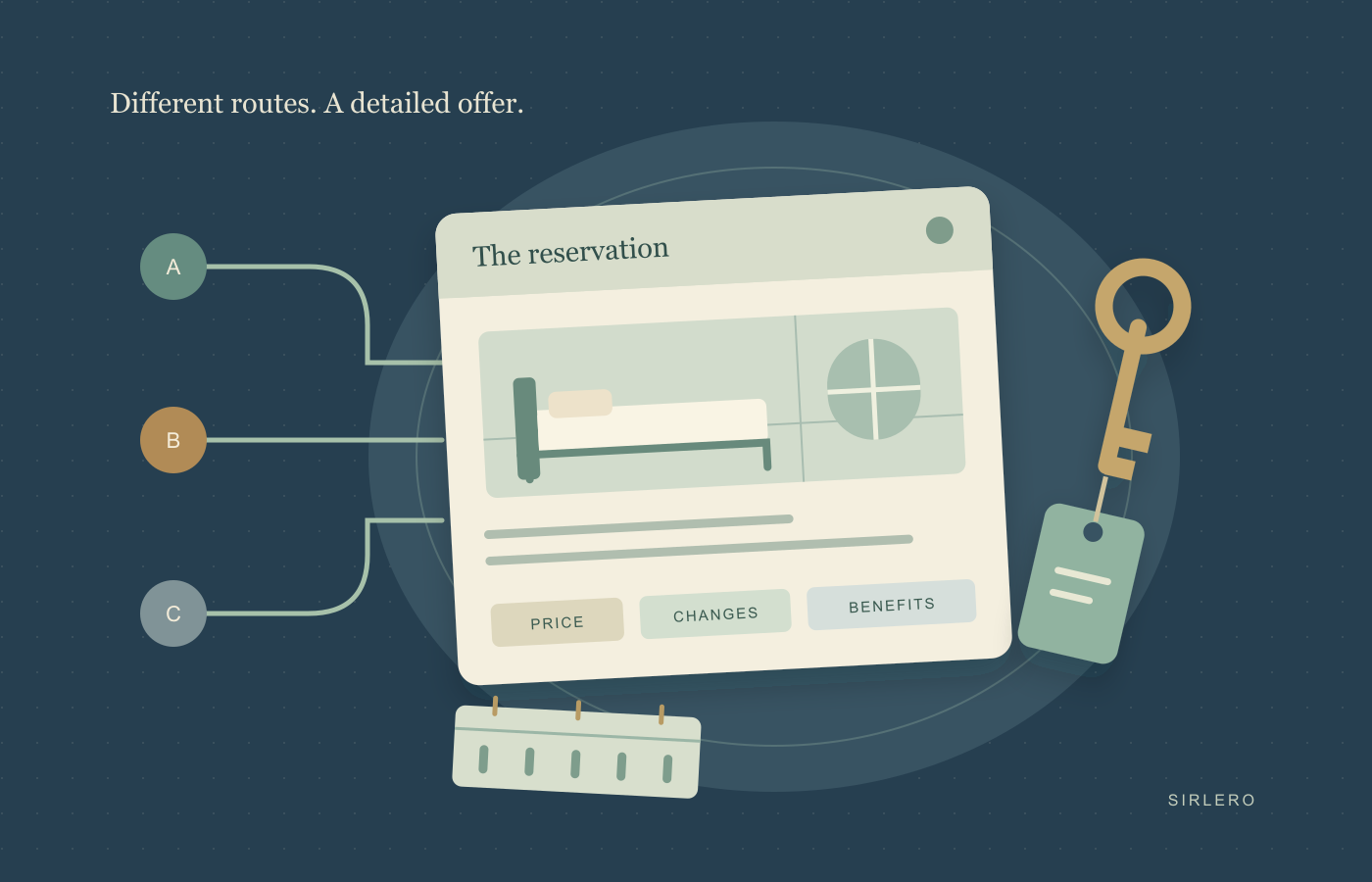
A hotel search can make a room look like a single object with several price tags. Yet a reservation also has rules about changes, a route for getting help and conditions for any associated benefits. Understanding the offer means following those parts alongside the photograph of the room.
CNBC Select’s October 28 hotel-booking feature examines direct reservations, third-party websites and credit-card travel portals. Its comparison is a useful starting point for a broader question: what exactly stays the same when the booking route changes?
Make the price comparison legible
For lodging covered by the U.S. fees rule, FTC staff guidance requires known, calculable mandatory charges upfront. Government charges and optional additions can be excluded initially, but applicable charges must enter the final amount before payment is requested. The guidance covers third-party platforms as well as lodging sellers.
That pricing framework improves one part of a comparison. It does not make two reservations identical. A lower displayed total can describe a different package of conditions, just as two quotations for the same dates can describe different room arrangements. The price answers one question within the offer.
Identify who handles a change
Hilton’s help page directs guests who booked through a third-party website to that seller to confirm, modify or cancel the reservation. That is Hilton’s published process for those bookings, rather than a universal rule about every hotel or booking service.
Expedia’s U.S. terms say change and cancellation requests go through its Help Center, but availability depends on the travel provider’s rules. They describe possible charges and properties that prohibit changes. Contacting support and permission to alter a reservation are separate matters.
A hypothetical traveler whose arrival moves by one day would therefore have two questions. Which organization handles the request? What does the booked rate permit? Knowing the answer to the first would not settle the second. The useful information belongs with the reservation details rather than an assumption about the website’s name.
Keep benefit eligibility specific
The same Hilton help page says third-party website bookings do not earn Hilton Honors points or stay or night credits. It separately allows an account number to be added for certain contactless app features. That distinction is specific to Hilton’s stated policy: attaching a membership number is not the same as earning credit.
This example shows why a general promise of perks needs a precise description. A benefit might mean recognition by a hotel program, a feature available through an app or something offered by the booking service. Those are different possibilities, and a broad label does not identify which one accompanies a particular reservation.
For Sirlero, the practical comparison is a short account of the whole offer: the room and dates, the final price, the applicable change conditions and the organization handling the booking. Keeping each element visible makes a reservation easier to understand. The aim is to compare what is actually being offered, rather than treat the room photograph as the complete product.