The next design question in Lagos: can it be made again?
Design Week Lagos brings experimental work and commercial conversations together. A prototype’s next step is a production question.

3 min read
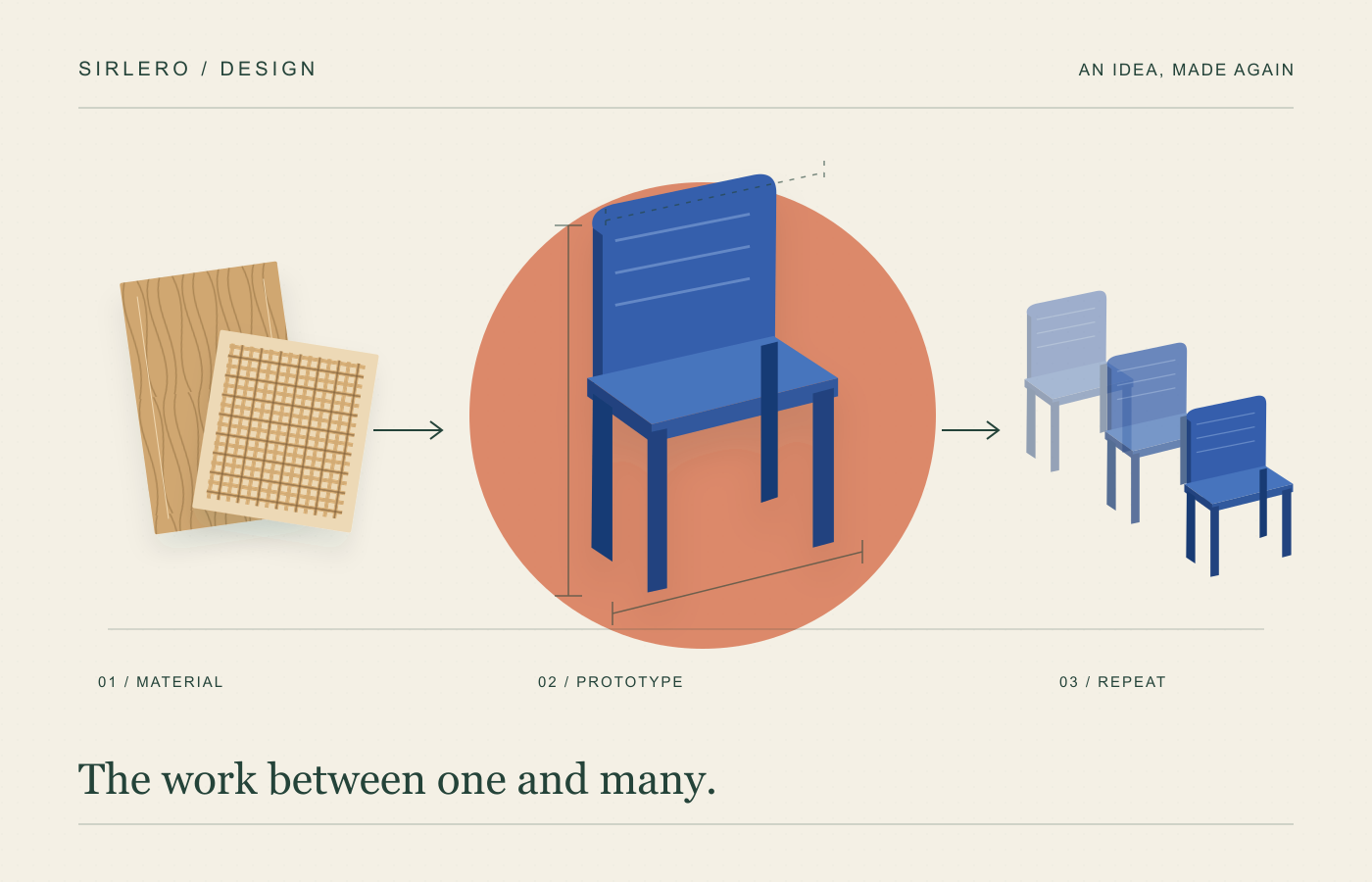
A striking object can make an exhibition memorable. Making it available to someone furnishing a home asks a different set of questions: who can produce it again, from which materials, and on what terms? Design Week Lagos places that transition near the centre of its 2026 programme.
In her October 21 Forbes feature, Joanne Shurvell describes 180 New Ideas, a presentation within the festival’s Design + Innovation Exhibition. It spans fields including furniture, textiles and architecture, with prototypes and experimental work alongside other approaches to making. The useful question for a visitor is where each proposal sits between investigation and a product someone could order.
The organiser lists the festival for October 18–25, with the National Theatre as its main hub. Its 2026 programme links African design to manufacturing and commerce. It also says selected works will enter limited production pathways. That is an intention to develop ideas further, rather than evidence that those products have already found a market.
The work behind a repeat order
The official Made by Design trade show covers practical categories such as furniture, lighting, surfaces and office or hospitality solutions. Its intended audience includes architects, developers, contractors and corporate buyers. These are people who can bring a different brief to an object: dimensions, quantities, installation and an agreement about delivery.
Consider a hypothetical chair made from a locally available material. One successful prototype establishes that a maker can build that chair once. A repeat order adds questions about variation in the material, the joints, the finish and the time needed to complete each piece. A buyer also needs to know what happens if a part fails. Those questions are examples of production planning, not criticisms of any exhibited work.
For Sirlero, this is the interesting connection between an experimental exhibition and a trade event. A prototype gives a conversation something specific to examine. A manufacturing partner might identify a difficult component; a designer might decide that its unusual character is precisely what must survive. Neither response automatically requires mass production. A small, dependable run can be a meaningful outcome too.
Look for the next step
The National Theatre’s published schedule gives that discussion a place in the programme. It lists October 22 talks on industrialisation and small businesses, followed on October 23 by sessions covering products, global markets and the relationship between handwork and industry. These are scheduled topics, with the venue noting that arrangements may change.
For a visitor, one useful way to read the displays is to separate three questions: what has been imagined, what has been physically demonstrated, and what can be supplied? An experimental material study need not answer the final question to be valuable. But a proposal presented as ready for buyers should make the next step understandable. Asking about lead times or production partners can reveal more than another photograph of the finished surface.
The festival can bring those conversations into the same space. Whether they become lasting collaborations will depend on work after the exhibition closes. The promise to watch is therefore specific: which ideas gain a feasible route to being made again, while preserving the qualities that made them worth noticing?