The electric part of a plug-in hybrid starts where it parks
A recent Prius review illustrates why charging access belongs beside the vehicle’s specifications when explaining how a plug-in hybrid is used.

3 min read
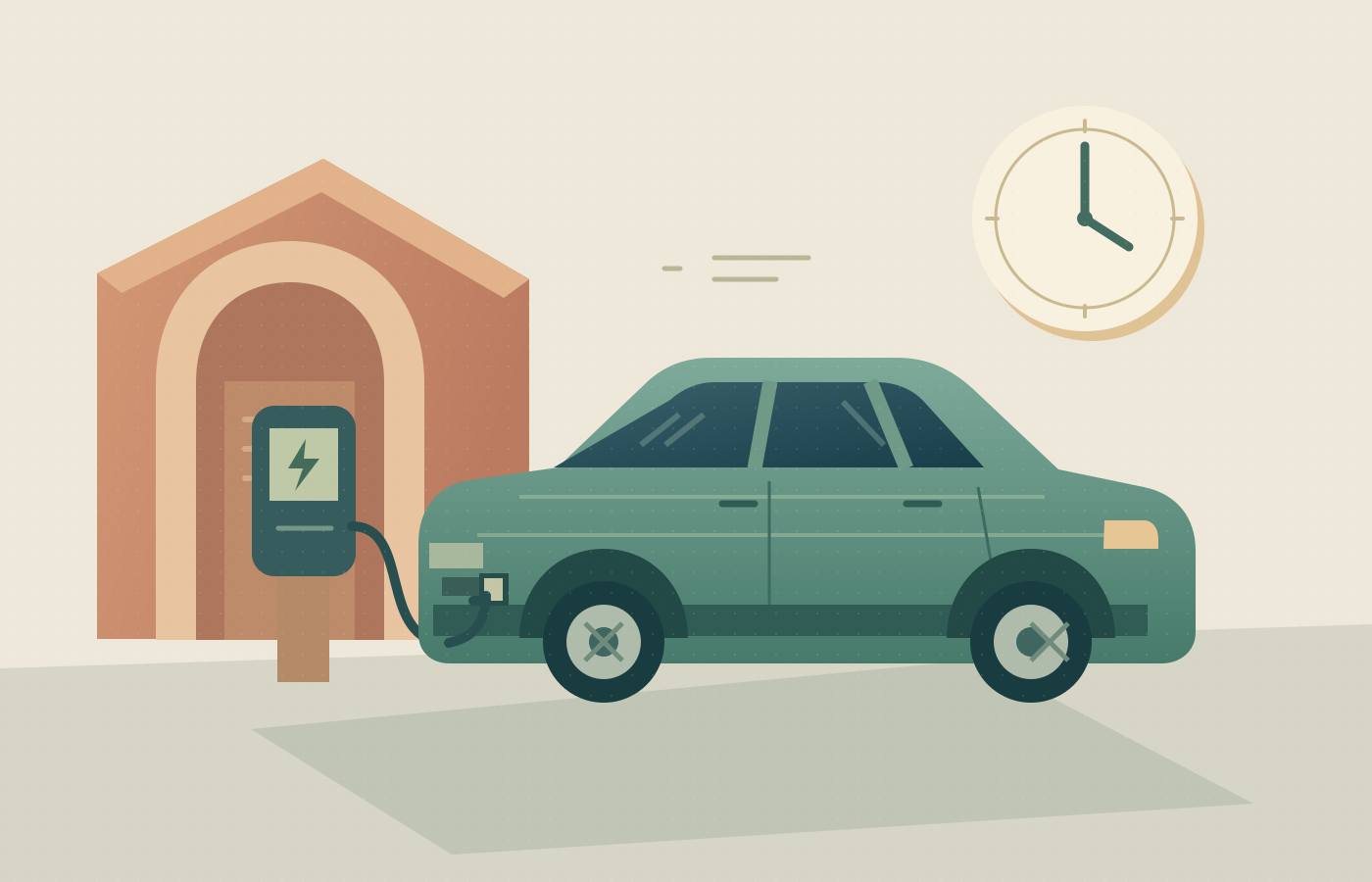
A plug-in hybrid’s electric capability involves more than the battery inside the car. It also involves the place the vehicle returns to, the time it stays there and whether charging fits into that interval. A recent review of the Toyota Prius makes this ordinary piece of the ownership routine unusually visible.
Writing for Forbes on October 20, Michael Harley described driving a 2026 Prius Plug-in Hybrid Nightshade Edition for 398 miles without externally charging it. He reported having no Level 2 charger at his accommodation and being unable to reach a household outlet with the charging cord. Those were the circumstances of his test, rather than a test conducted by Sirlero.
The interesting detail is the gap between a vehicle’s available capability and the opportunity to use it. A charging port on the car does not establish that a usable charging place is available at the end of a trip.
Two sources of energy, one routine
The U.S. Department of Energy’s Alternative Fuels Data Center explains that plug-in hybrids combine an electric motor and battery with a combustion engine. They can replenish the battery through external charging and regenerative braking. Depending on the vehicle and conditions, the engine can operate when the battery is mostly depleted, during acceleration or under substantial heating and cooling loads.
Toyota’s description of the 2026 Prius distinguishes battery-only EV operation when sufficient charge is available from an automatic mode that can bring in hybrid operation for more demanding conditions. The company also says the car continues operating as a hybrid when it cannot be plugged in. External charging is therefore part of how its electric capability is used, while gasoline remains another source of propulsion.
The parking interval matters
For that model, Toyota gives approximate recharge times under ideal conditions: eleven hours using a standard U.S. 120-volt home outlet, or four hours with Level 2 equipment. These are manufacturer estimates, not a promise that every charging session takes exactly that long.
The Department of Energy’s consumer guidance discusses both home and workplace charging. Its workplace examples include an available outlet used with the employer’s permission, or equipment installed by the building owner. The practical setting includes access and permission as well as the connector itself.
Sirlero’s view: parked time deserves a place in the explanation of an electrified car. The useful questions are concrete. Where does the vehicle normally sit? Is compatible charging actually available there? Does that interval make charging a routine action, or does it require a separate errand?
Keep the result attached to the circumstances
The Alternative Fuels Data Center says a plug-in hybrid’s fuel consumption depends on the distance traveled between battery charges. It notes that a vehicle never plugged in will have fuel economy roughly comparable to a similarly sized conventional hybrid. That is general guidance, rather than a rating for this particular Prius.
A review’s result becomes more informative when the charging routine travels with it. The same model can be used across a succession of short, replenished trips or on journeys with little opportunity to plug in. Understanding that difference helps explain the technology without turning one driver’s experience into an outcome promised to everyone.
Editorial note: this original Sirlero explainer uses the linked Forbes review, Toyota materials and U.S. government guidance checked on October 20, 2026. Sirlero has not road-tested the car or calculated ownership savings.