Why Rivian’s software partnership matters beyond its own cars
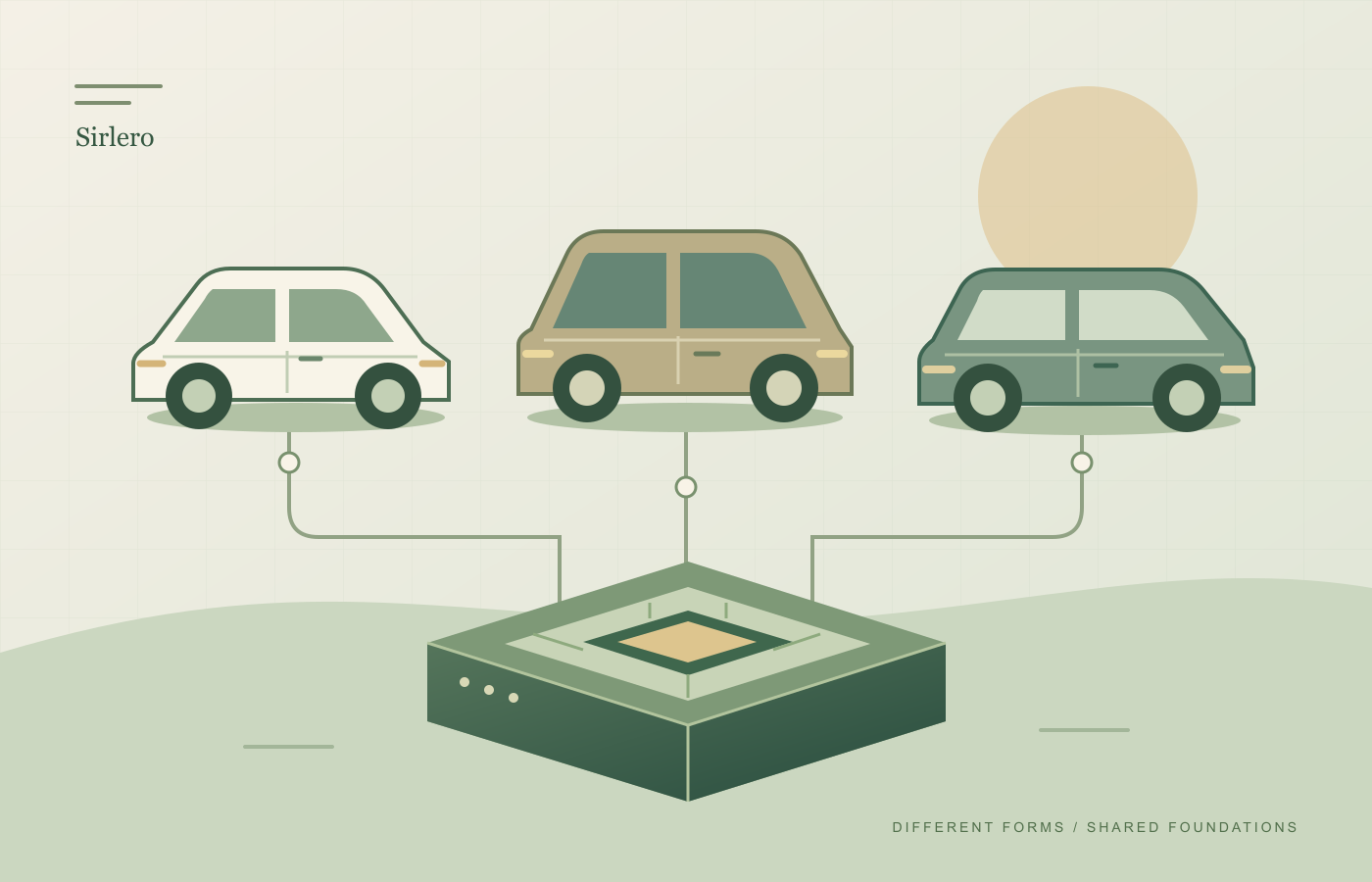
A shared electronic foundation can reach different vehicles. The harder task is turning that foundation into dependable products with distinct identities.

3 min read
An electric vehicle’s identity is easy to see in its shape, cabin and badge. The software and electronics coordinating it are less visible. Rivian’s partnership with Volkswagen Group gives that underlying work a second audience: vehicles beyond Rivian’s own lineup.
Kirsten Korosec examined Rivian’s direction in TechCrunch’s October 18 newsletter.
A foundation another manufacturer can use
The companies’ November 2024 launch announcement described a joint venture built around Rivian’s existing electrical architecture and software. Its scope was future vehicles from both partners, across different segments. The announcement also described combining engineering teams to develop and scale that technology.
Sirlero’s view: contributing a system for another manufacturer is a different business from selling a finished vehicle. The opportunity is to reuse engineering across products; each implementation still has to earn its place.
A seasonal feature makes the machinery visible
Rivian’s October 15 explanation of Halloween Mode offers a smaller, concrete example of integration. It describes three zonal controllers managing hardware in different parts of a vehicle, connected by an Ethernet network. Software can coordinate the lights, sound and displays as one experience, instead of treating each as a separate feature.
The same post says RivianOS 2 brings the two R1 generations and R2 onto a unified software stack. Features still depend on what each vehicle’s hardware supports. That qualification matters: shared software is a way to reuse work, not a guarantee that every vehicle receives identical capabilities.
The seasonal example is useful because the result is easy to recognize. Beneath the novelty is a more general challenge: coordinating several physical systems through software while respecting the differences between the machines running it.
Testing the foundation outside the original lineup
Volkswagen’s March 27 update reported completed winter testing of RV Tech’s production-intent architecture in reference vehicles from Volkswagen, Audi and Scout. The program included work in Phoenix and Arjeplog, Sweden, examining electronics and software together. Tested functions included all-wheel drive, traction control and over-the-air updates.
Those are the company’s reported development results. They are evidence of a testing milestone, rather than independent proof of how every future customer vehicle will perform. Volkswagen described the results as a foundation for subsequent development within the venture and its brands.
The customer still encounters a whole car
Sirlero’s view is that a shared foundation becomes valuable through the finished experience. A driver wants an update to install successfully, controls to respond consistently and the vehicle’s features to be understandable. The names of the organizations behind the software matter less in that moment than whether the product works as expected.
That leaves two useful questions as this partnership develops: how much engineering can be reused, and how well each model turns it into a coherent experience? Sharing a foundation can make more products possible. Delivering those products remains its own task.