TikTok’s restaurant guide gives saved food videos a new job
Must Eat adds comparison tools to restaurant discovery. A shortlist still needs to fit a real meal.

3 min read
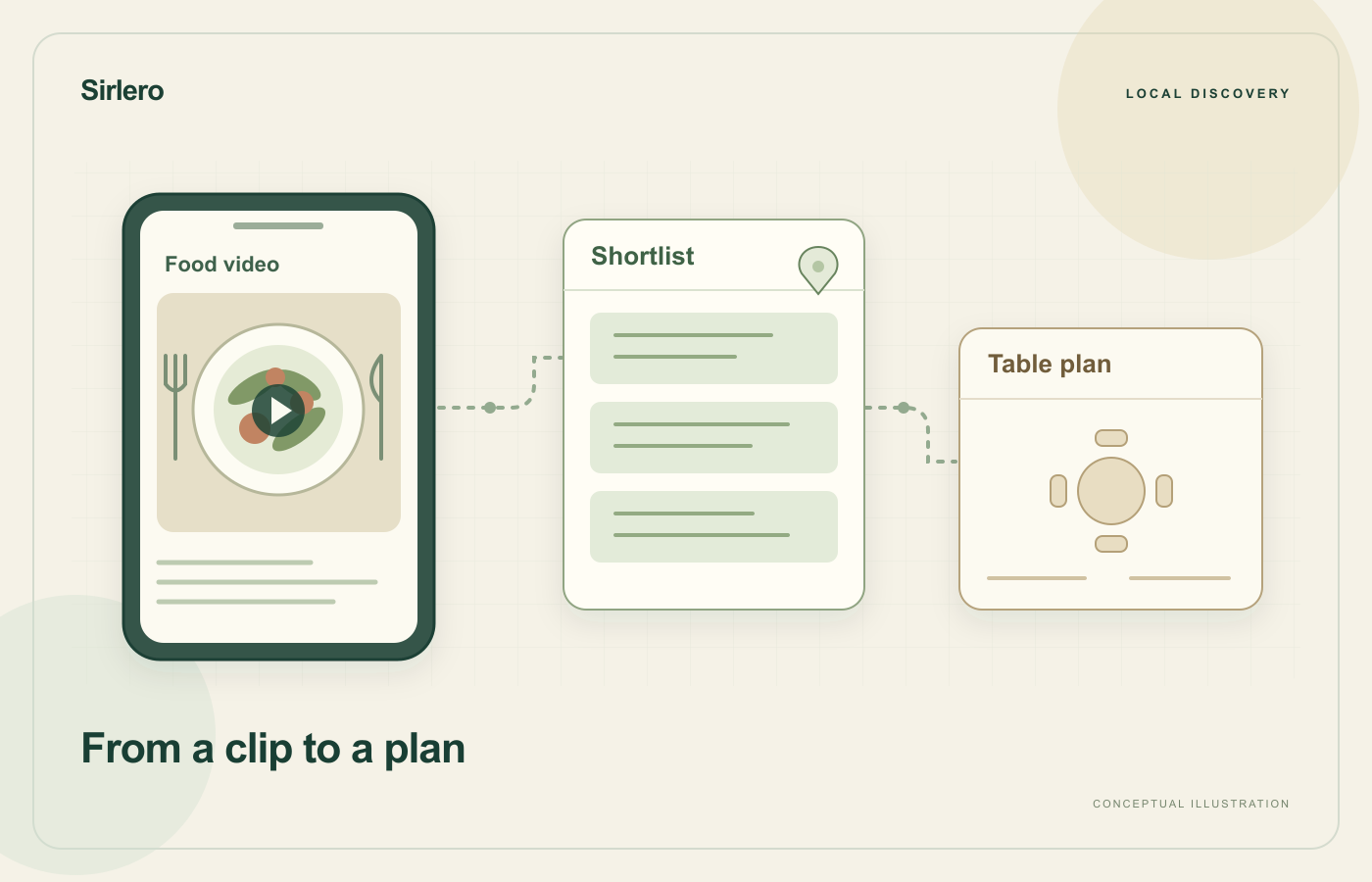
A food video can make a restaurant memorable without settling where to eat. The next decision may involve several people, a neighborhood and a budget. A useful shortlist turns that initial interest into options that can be considered together.
TechCrunch examined TikTok’s expansion on October 31. In its October 29 announcement, TikTok USDS Joint Venture says Must Eat starts in the areas around New York City, Los Angeles and the Bay Area. The guide offers filters for cuisine, price, score and location, alongside restaurant pages and related videos.
Compare before choosing
TikTok organizes each city’s guide into Everyday Eats and Elevated Dining. Those categories describe different dining occasions. Putting restaurant information beside the content creates a place to compare possibilities after a video has caught someone’s attention.
The practical question is what a diner needs to compare. An attractive dish may be the reason to save a place, while location and price help determine whether it belongs in tonight’s plan. Those details do different work. Treating them separately can make the move from watching to choosing easier to understand.
Imagine a fictional group planning dinner after an event. One person remembers a dessert video; another wants somewhere close to the venue. Their shortlist needs enough shared context to discuss both suggestions. A collection of appealing clips and a workable dinner plan are different outcomes, even when the first helps produce the second.
A feed is another kind of list
TikTok’s February 12 Local Feed announcement describes a broader stream covering restaurants, travel, shopping and events. It says posts are shown based on location, content topic and when they were posted. That is the company’s description of the feed at its introduction, rather than an independent audit of current recommendations.
The distinction is useful when reading the new guide. A feed can introduce something unexpected in the course of browsing. A shortlist is a deliberate set of candidates for a particular decision. Neither format alone answers what every person at the table wants, and the same restaurant can be relevant for one occasion and inconvenient for another.
Keep the last step visible
The Must Eat announcement says restaurants can be saved to existing TikTok collections. It also describes OpenTable booking inside the app for select restaurants. Inclusion in the guide therefore should not be read as universal reservation availability.
A saved candidate preserves an idea; choosing a place requires resolving the remaining details. In the fictional dinner plan, the useful next step would be to agree on the restaurant, party size and time, then check the available route for that particular venue. This is a planning example, not a description of every booking screen.
Must Eat’s interesting design question is whether organizing familiar content helps people reach a specific decision. That can be examined through an ordinary task: can a group turn its saved interests into an agreed place to meet? The guide provides another setting for that task; the actual meal still gives the shortlist its purpose.